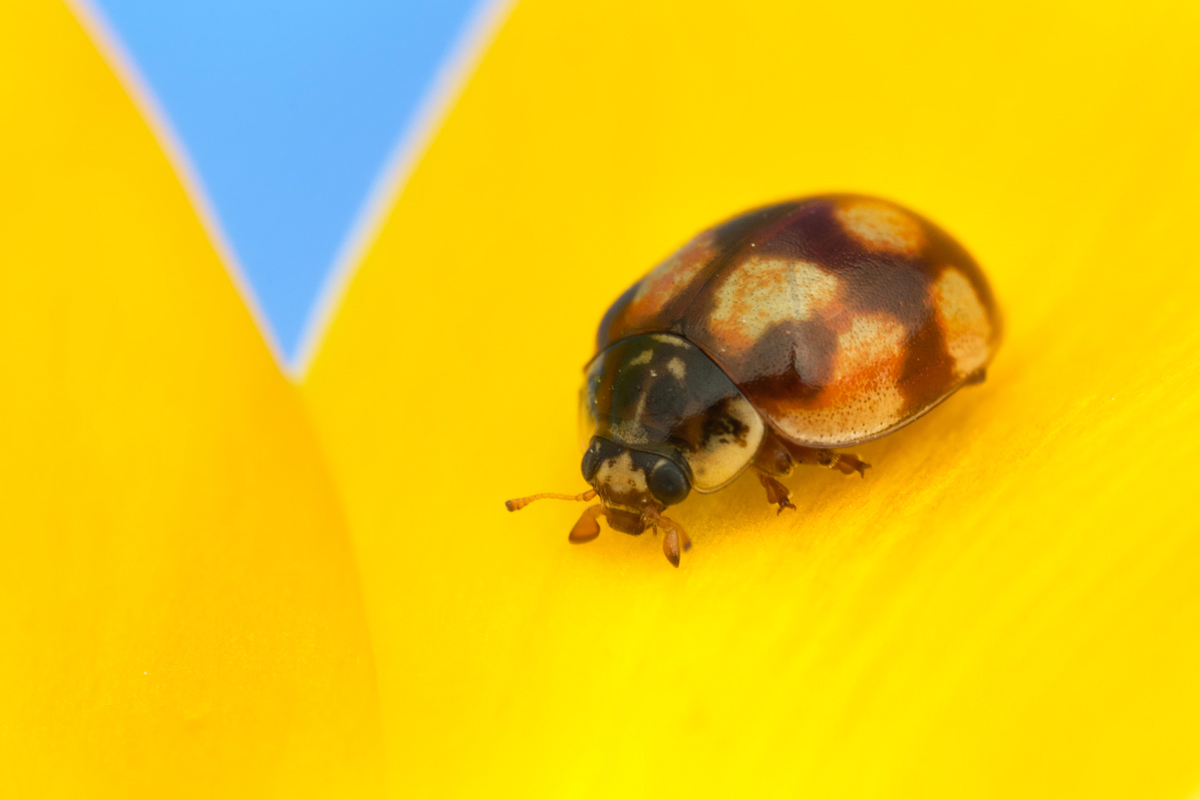
As the year draws to a close I thought I would provide a brief overview of my photography as I have in each of the previous two years (see
2011 and
2012).
A comment I made last year was that I had taken fewer images than in previous years, partly by design but partly due to work and other commitments. I find myself in the same position this year with fewer images taken in 2013 than in 2012 or any other year. Again, this is partly intentional and the result of a deliberate shift towards more targeted image taking. However, this year I have also found myself with less time for photography, a trend I am starting to find rather troubling.
In terms of publications, my proudest achievement this year was my first double page spread in BBC Wildlife magazine (in the June issue, see
here) followed by my second in the January 2014 issue (OK, technically next year but it was published in Dec 2013 :) See
here). I have subscribed to BBC Wildlife magazine since I was a teenager in the mid to late 1980s and I am very pleased to have become a reasonably regular image contributor to the magazine. The double page spreads were the icing on the cake this year.
Other publications that I'm particularly pleased with this year are articles in Digital SLR magazine on general macro photography (see
here) and on butterflies and dragonflies (see
here) and my contribution of text and images to Ross Hoddinott's Macro and Close-Up Photography book (see
here). My images have continued to sell through FLPA and charities such as the Wildlife Trusts and Buglife have also used my images.
I didn't have any luck in the major competitions this year despite having several images shortlisted in the British Wildlife Photography Awards, though I did start a lively debate on the complete absence of invertebrates in this year's Wildlife Photographer of the Year competition (see
here and the subsequent Facebook discussion
here). My blogpost on this topic resulted in the largest spike in hits that my blog has ever seen and I'm led to believe that both the post and the widespread support that it received from fellow photographers was noted by the competition's organisers. It has since been announced that the 2014 competition will feature many new categories including a dedicated invertebrates category. I'm obviously not claiming the credit for this but I would like to think that my post at least helped to confirm other feedback that the organisers had received.
I've continued to contribute to the Meet Your Neighbours project and now have a growing collection of images for sale via Nature Photo Library and on display on my website (see
here).
Finally, here are the images that I'm most pleased with in 2013. It's worth mentioning the usual caveat that my criteria for selecting these images is a little vague and probably somewhat inconsistent. Some are chosen simply because I like the images while others are chosen, in part, because they contain species that I've not previously photographed well. Nevertheless, in no particular order, here they are:
PLEASE CLICK TO ENLARGE IMAGES
A mating pair of Green Hairstreak butterflies. I've never photographed this species mating before and I was pleased with the simple composition that I was able to achieve here.
I always enjoy watching damselflies and dragonflies emerging from their aquatic nymph stage and I was pleased to capture the emergence of this Large Red Damselfly with some strong backlighting.
This Zebra Jumping Spider was photographed as it explored a moss covered rock.
I've only ever photographed a Mayfly on one previous occasion and so I was very pleased to photograph this elegant specimen on a nice perch against a clean background.
A Black Ant feeding on the sugary honeydew secreted by aphids. It's always a challenge to photograph this behaviour and even more difficult to achieve a reasonably simple composition as there are normally numerous ants clambering over the aphids.
I'm a big fan of Marbled White butterflies and also a big fan of wideangle macro. I was therefore pleased to combine the two here and with a nice blue sky as well.
A Blue-Tailed Damselfly photographed against a field of buttercups.
A Ruby-Tailed Wasp, one of my favourite insects. I was very fortunate to photograph this one before it was fully alert after spending a day in my conservatory!
I always like seeing a blue sky in an image and I like the relatively wide angle look that I achieved here with my Tokina 35mm macro lens. The butterfly is a Small Tortoiseshell.
and finally, a Seven Spot Ladybird in that split second before take off.
Happy new year to all!